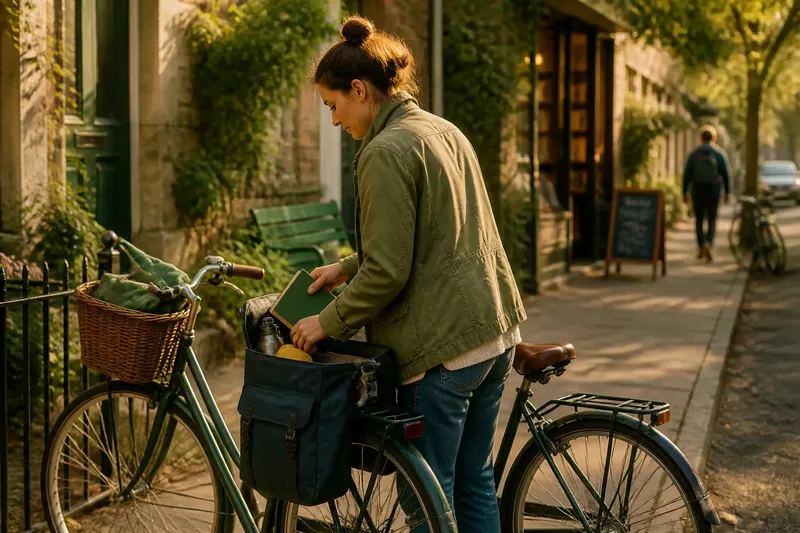
Why a Lower Carrying Load Can Make an Errand Ride Feel Easier
A lower carrying load can make an errand ride feel easier: learn which belongings to leave behind and how to keep everyday journeys simple and comfortable.
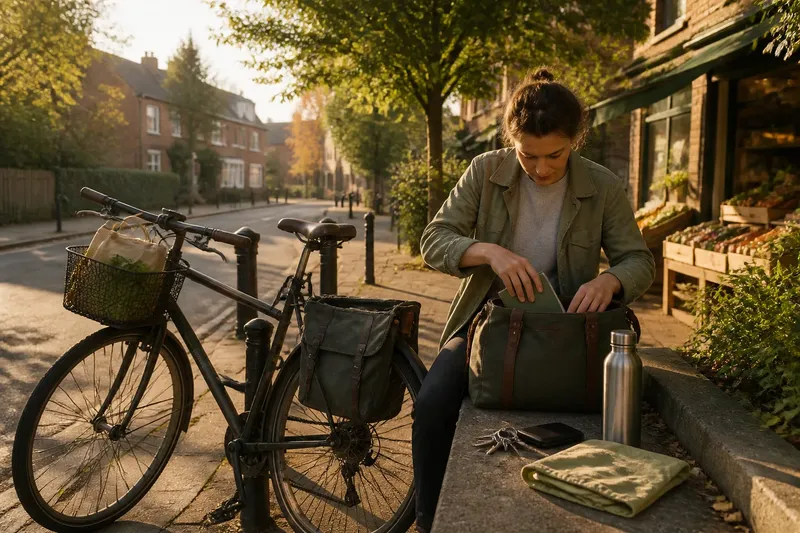
Why can a few everyday belongings make an errand ride feel awkward? A lower carrying load can make an errand ride feel easier, especially when the trip has grown to include objects you do not need. The first useful question is not where to pack them, but whether each one belongs on this journey at all.
Think of a regular ride to the library, shop or station. Its purpose sets the boundaries: what must you take, what might be useful, and what has simply stayed in your bag since last time? Sorting those categories can make carrying feel less like a daily chore.
Start with the purpose of the journey
Before setting off, name the task and the items it actually calls for. A library visit might need a book to return, a library card and a way to get home; a work commute may call for a laptop and access pass. The destination, not habit, should shape the list.
Use these checks to decide what stays in the bag:
- Check whether the item is needed for the planned errand; if yes, take it, and if no, leave it at home.
- Check whether you already have a duplicate, such as a second pen or charger; if the duplicate has no specific use, remove it, and if the planned task requires it, keep it.
- Check whether a container is empty or holds something for another day; if it is empty or unrelated, take it out, and if it serves this journey, retain it.
- Check whether a spare layer suits the forecast and destination; if it has no clear purpose, leave it behind, and if you expect to need it, take it.
- Check whether you can safely and comfortably make the planned stops with what you have; if the itinerary is overfull, combine or postpone an errand, and if it is manageable, keep the plan.
- Check whether you need to lock the bicycle at the destination; if you do, bring a lock suitable for that stop, and if you will not leave the bicycle, decide whether the lock can stay home.
The point is not to carry as little as possible. A useful item earns its place; an object with no role on this trip only adds clutter.
Choose a carrying arrangement that suits the errand
Once you know what must come along, consider how you want to carry it. A small shoulder bag may suit a light visit where you want to take your belongings with you. A basket can make frequent loading and unloading straightforward. A rack-mounted bag may suit a regular commute with more to carry, while a backpack keeps the load with you when you leave the bicycle. Each option has trade-offs in access, comfort and how much of your body carries the load.
For a brief stop, convenience may matter most; for a ride where you will be on the bicycle longer, comfort can matter more. Whatever the arrangement, keep straps and loose ends clear of the wheels, chain and brake controls. If anything dangles or interferes with steering, stop and adjust it before riding.
Let the route shape what you bring
A simple trip with one destination may need less planning than a ride with several stops. Consider where you can refill a water bottle, whether a shop provides a reusable bag, and whether you can leave a non-essential item at home until another day. Those choices can reduce the temptation to carry supplies for every possible detour.
Imagine a rider planning to return a library book and buy a few groceries. They start with a book, card, phone, keys, payment method and a reusable bag, but also have an old receipt, an empty drinks bottle and a spare notebook in their usual bag. They remove the receipt, bottle and notebook because none has a role in either errand, then keep the reusable bag available for the return journey. The resulting decision is a simpler load without sacrificing anything needed for the planned stops; if the grocery list grows, they can reconsider the route or make a separate trip.
How do I decide what belongs in my everyday cycling bag?
What should I keep with me on every ride?
Keep essentials that match your routine, such as keys, a way to pay and anything needed to reach your destination. Add items for the specific trip rather than carrying a large collection of spares by default.
Is a backpack or a bicycle-mounted bag better for a short errand?
A backpack stays with you when you leave the bicycle, while a mounted bag can keep the load off your shoulders. Choose based on what you are carrying, your comfort and whether you need to take the bag inside.
Should I carry a reusable shopping bag?
Take one if you expect to buy something or want to be ready for an unplanned purchase. If the trip has no shopping and you can easily return home before buying anything, it may not need to come along.
What if the bicycle still feels awkward after I remove extra items?
Stop and check that nothing is caught in a wheel or control, then try the bicycle without the load in a safe place. If it still feels unsafe or unusually difficult to control, do not continue riding; ask a qualified cycle mechanic to inspect it.
Build a lighter routine without losing useful items
After each recurring errand, take a moment to remove rubbish and return objects that belong elsewhere. Keep a short list of items that genuinely help with that particular journey, then review it when the destination or season changes. The goal is not a perfectly empty bag; it is one that reflects the ride you are about to take.
A lower carrying load can make an errand ride feel easier when it comes from choosing deliberately, not from leaving essentials behind. Decide what the destination requires, pick a carrying arrangement that suits the trip, and let the rest wait at home. Like clearing a desk before starting a task, a little less clutter makes it easier to focus on what is in front of you.